
A quiet shift is beginning to shape everyday routines in 2026. Instead of constantly responding to notifications, more people are gravitating toward slower, offline habits. Often described as the analog lifestyle trend, this approach encourages less screen time and a stronger focus on real-world experiences.
As digital fatigue becomes more common, both influencers and experts are calling for balance. What once felt like a niche idea is now steadily gaining attention.
Several creators have spoken openly about the change. Selly Tan, based in California, noted that people are increasingly drawn to more authentic experiences. She plans to print photographs, read physical books, and spend more time on hobbies that do not depend on the internet.
Rosie Okatcha offered a similar perspective, describing 2026 as a moment when people began returning to older habits—like listening to vinyl records instead of streaming music.
Sanchi Oswal added that reducing screen time helps limit reliance on constant notifications.
Together, these views highlight a broader awareness of how technology shapes daily life.
Reality of Constant Screen Exposure
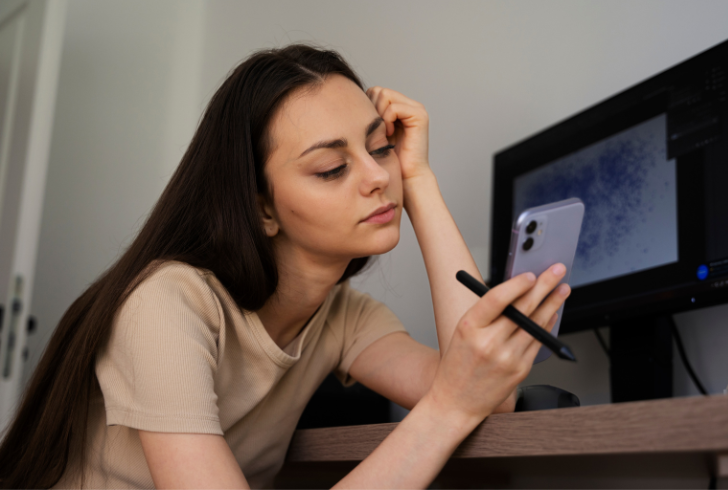
Freepik | Daily routines often revolve around continuous interaction with digital screens.
Screens dominate modern routines, from work to entertainment. Many people move from computers to phones without a real break in between.
A college student noted that extended screen use leaves little time to truly disconnect. This reflects a wider pattern, with over 90 percent of U.S. adults owning smartphones.
Because of this reliance, disconnecting is not easy. Even simple tasks—such as navigating directions, staying in touch, or making purchases—depend on mobile devices. Stepping away from screens can feel difficult, even when people actively want to do so.
Why Digital Habits Are Hard to Break
Experts emphasize that smartphones themselves are not the issue. Instead, they are powerful tools that require mindful use. The challenge arises when screen time becomes constant and unstructured.
Researchers note that usage increased significantly during the COVID-19 pandemic. At the time, people relied heavily on digital platforms for work, social connections, and entertainment. Even after restrictions were lifted, many of those habits remained in place.
Over time, phone use can become automatic. Experts compare it to habits like nail-biting—something people do without thinking. Checking notifications becomes a reflex, making it harder to step back and regain control.
At the same time, many apps are designed to hold attention. These platforms encourage longer use through endless content and notifications. Because of this design, users often spend more time online than intended.
Mental Health and Digital Dependence

Freepik | Heavy screen time correlates with declining mental health, sparking widespread concern over our digital habits.
A stronger focus on mental health is helping drive this shift. Research continues to show a connection between heavy screen use and issues like stress, anxiety, and lower overall happiness. This has prompted more people to reflect on how their digital habits affect their daily lives.
Experts say that many individuals feel less satisfied today than in earlier decades. This growing awareness has led people to reassess their routines. As they begin to link digital overload with emotional fatigue, they look for different ways to spend their time.
At the same time, stepping away from technology can be challenging. Fear of missing out (FOMO) often makes people hesitate. While being constantly connected can feel draining, disconnecting can feel isolating.
How the Analog Lifestyle Stands Out
The key difference with the analog lifestyle is its focus on replacement. Instead of simply cutting back on screens, it encourages people to fill that time with offline activities that feel more engaging.
This includes listening to music on older devices, journaling, crafting, or reading printed books. These activities offer a slower pace and allow better concentration. As a result, individuals feel more present and less distracted.
Experts explain that modern life places multiple functions into one device. A smartphone handles work, communication, entertainment, and planning. Because of that, focusing on one task becomes harder.
The analog lifestyle aims to break that pattern. By separating activities, people regain control over attention and time. This approach encourages intentional living instead of constant multitasking.
Changes That Make a Difference

Gemini AI | The analog lifestyle encourages people to use technology mindfully while creating healthy limits to improve focus and reduce stress.
Adopting this lifestyle does not require a complete overhaul. In most cases, experts suggest beginning with small, manageable changes that fit easily into daily routines.
Common strategies include keeping the phone out of reach during work, removing distracting apps from the home screen, turning off unnecessary notifications, and replacing screen time with reading, walking, or creative hobbies
Over time, these small steps become habits. Because they are simple, people are more likely to maintain them.
The Role of Trends and Social Influence
Interestingly, social media still plays a role in promoting the analog lifestyle. Influencers often share ideas like carrying an “analog bag” filled with books or creative tools. Others are revisiting older devices, such as iPods, which have started to see renewed interest.
Market trends support this shift. Searches for older music players have increased, and the global craft market continues to grow as more people look for offline creative outlets.
Even though the trend is gaining visibility online, its core message encourages spending less time on digital platforms. It’s not about rejecting technology entirely, but about using it more intentionally.
People who follow this approach often report improved focus, lower stress, and a stronger sense of presence.
The analog lifestyle ultimately reflects a growing need for simplicity and intentional living.